“From Research to Practice – Increasing Agency in the Time of Climate Crisis”
18–20 June 2026 | Porto, Portugal
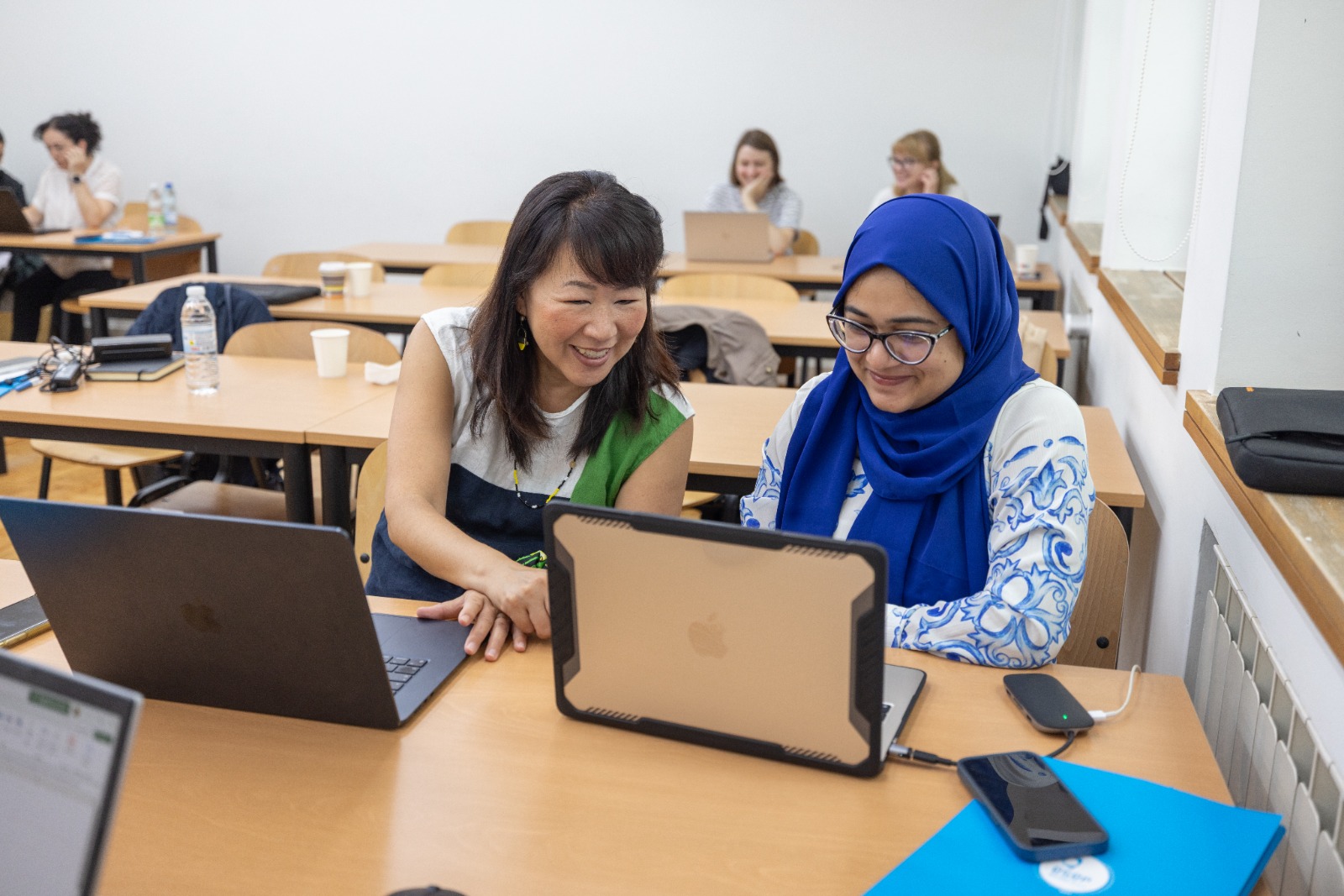
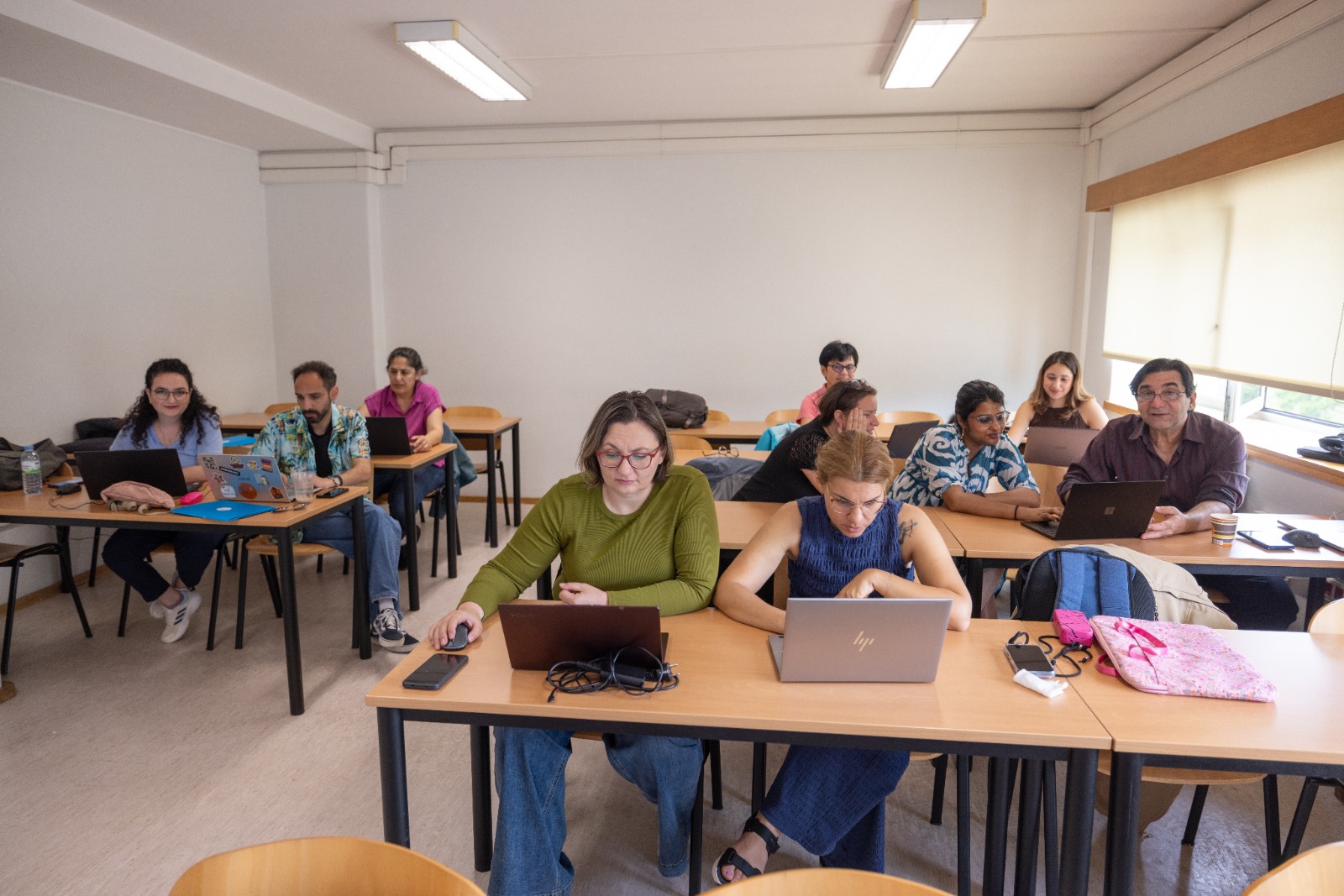
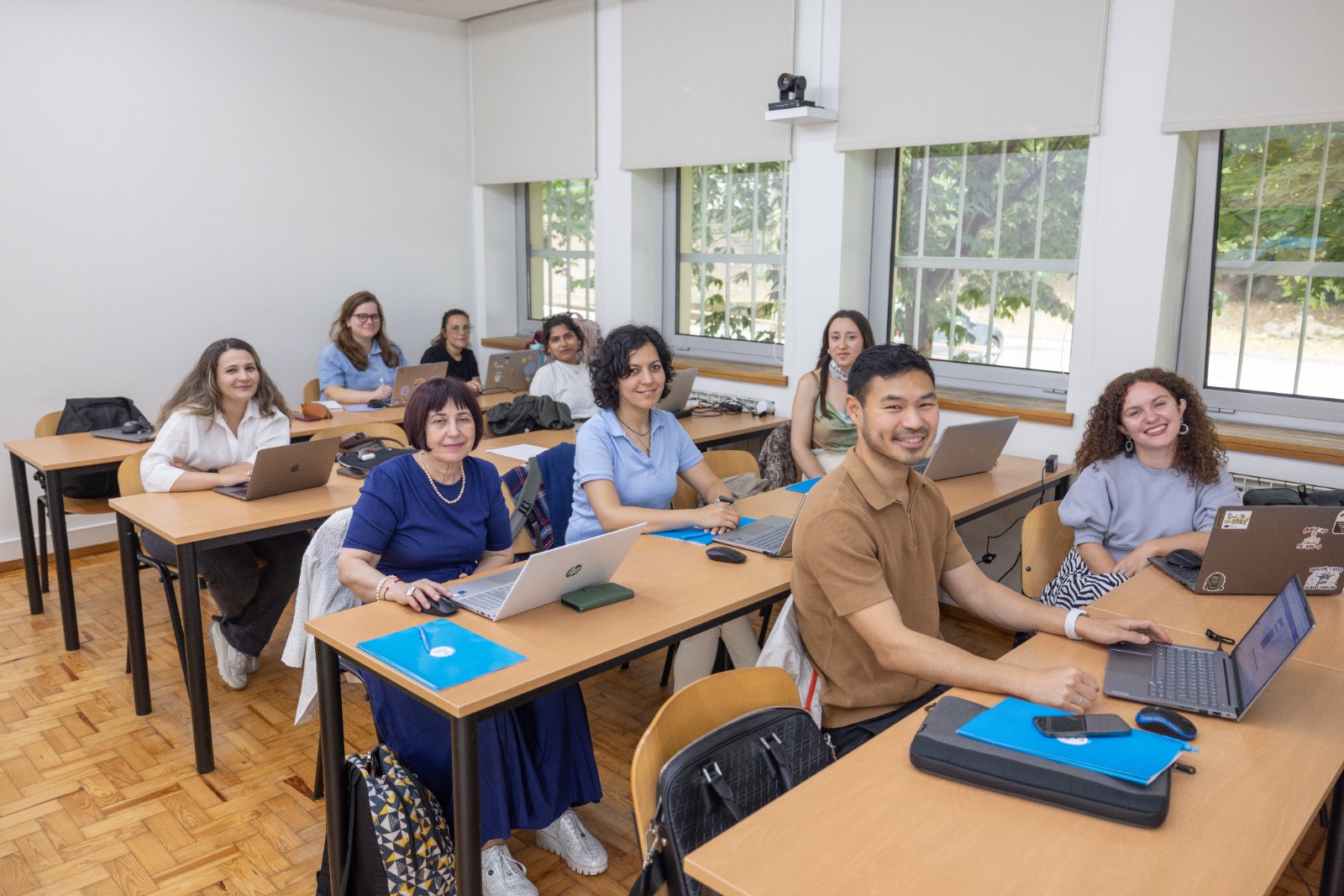
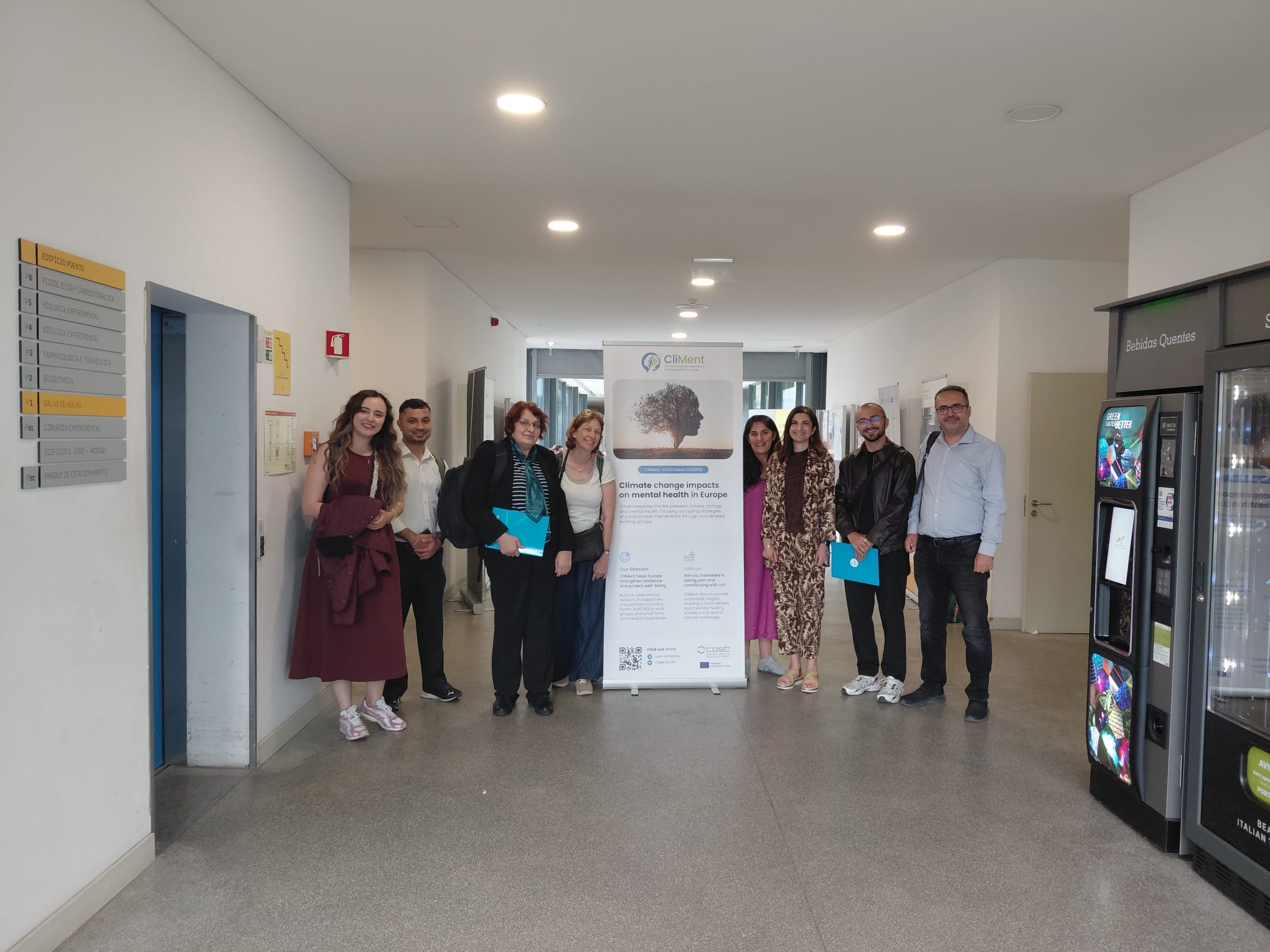
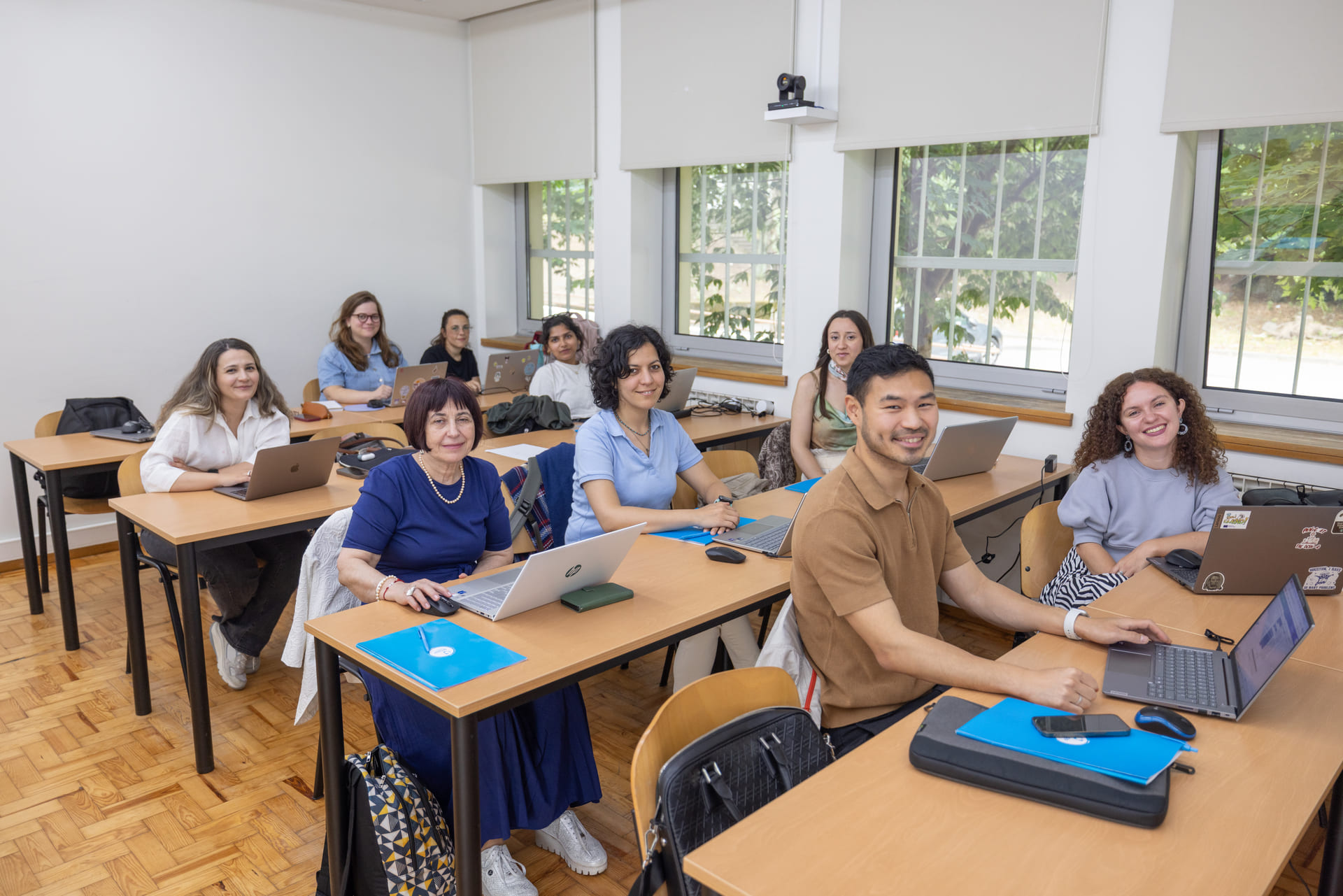
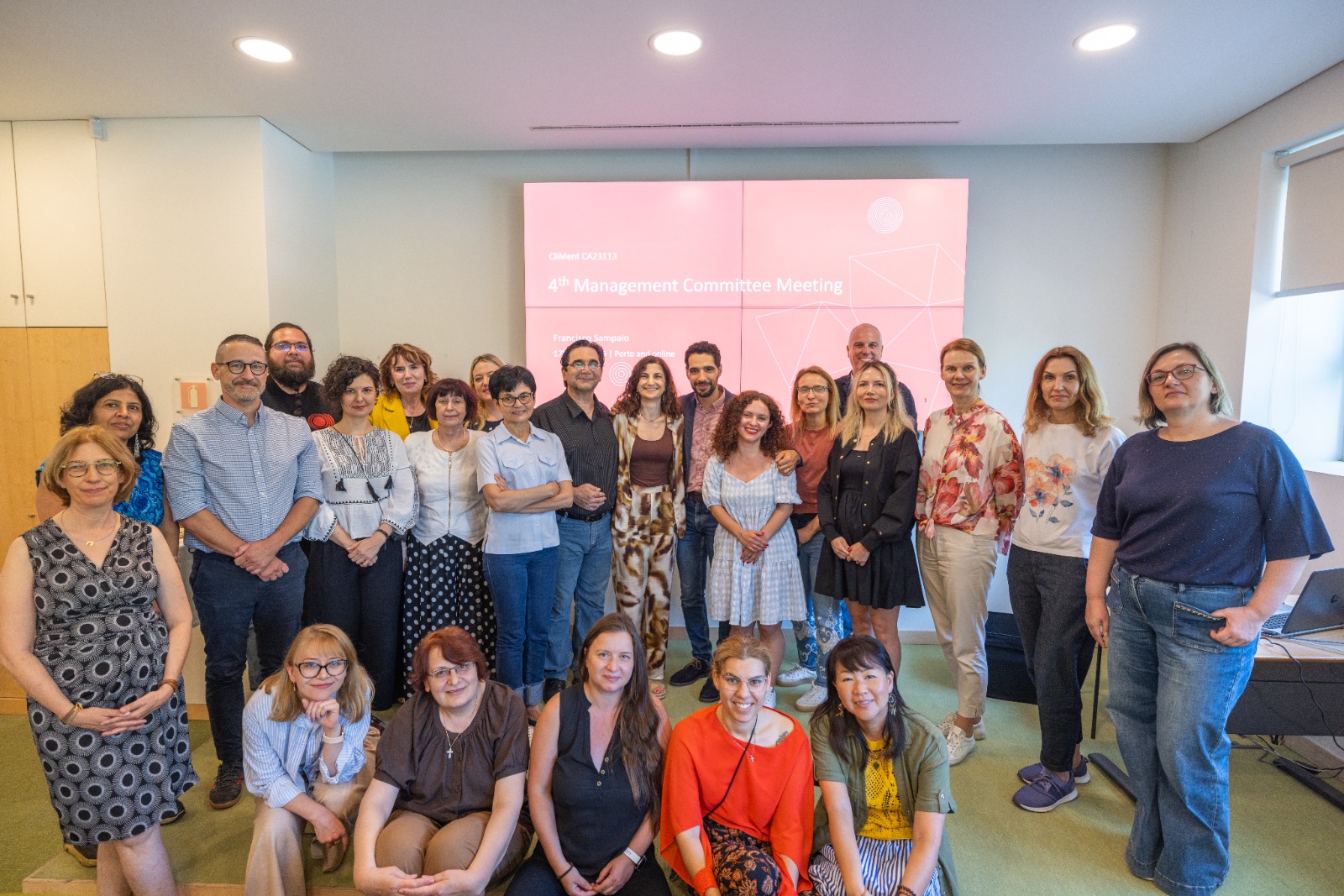
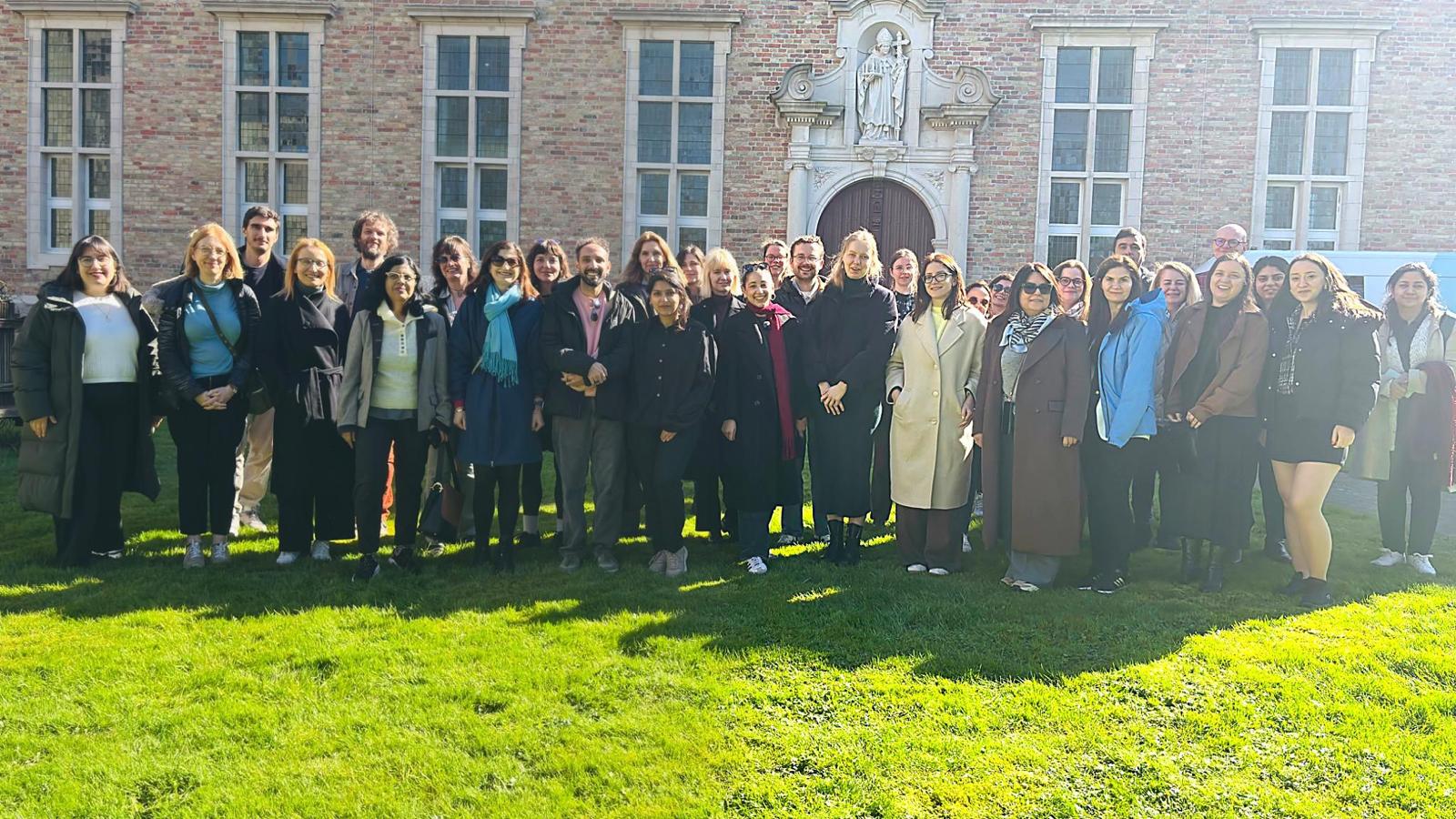
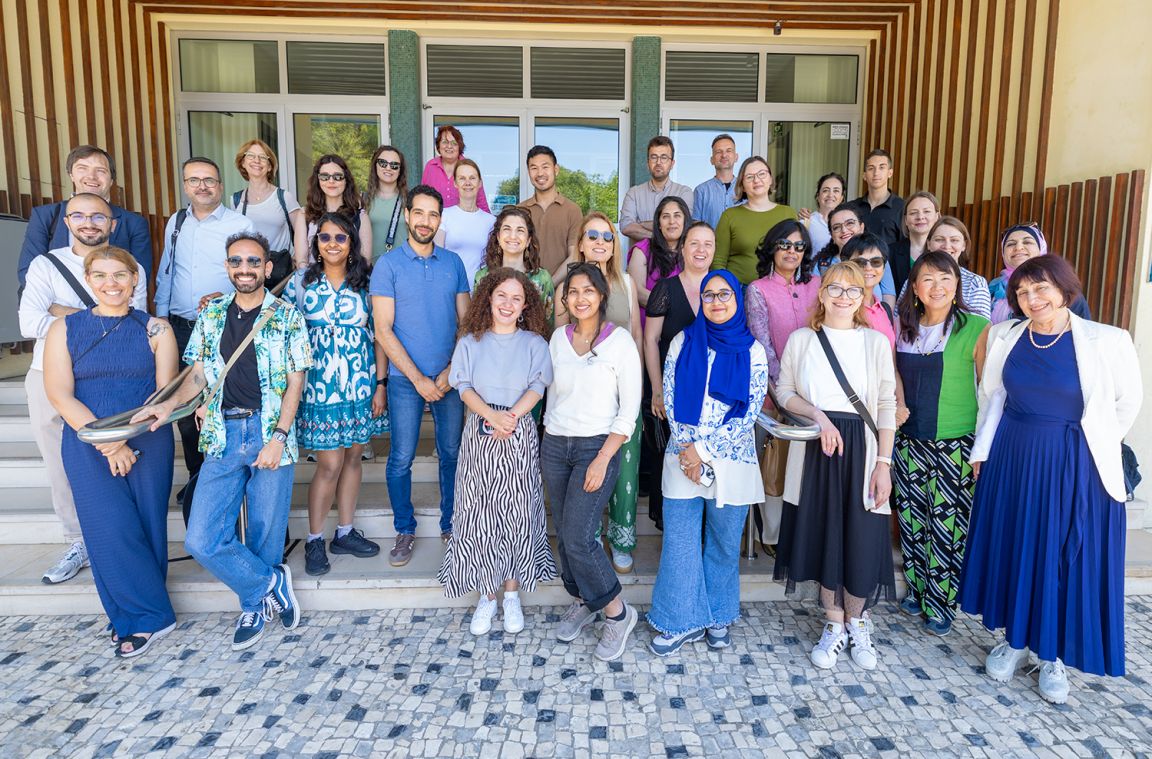
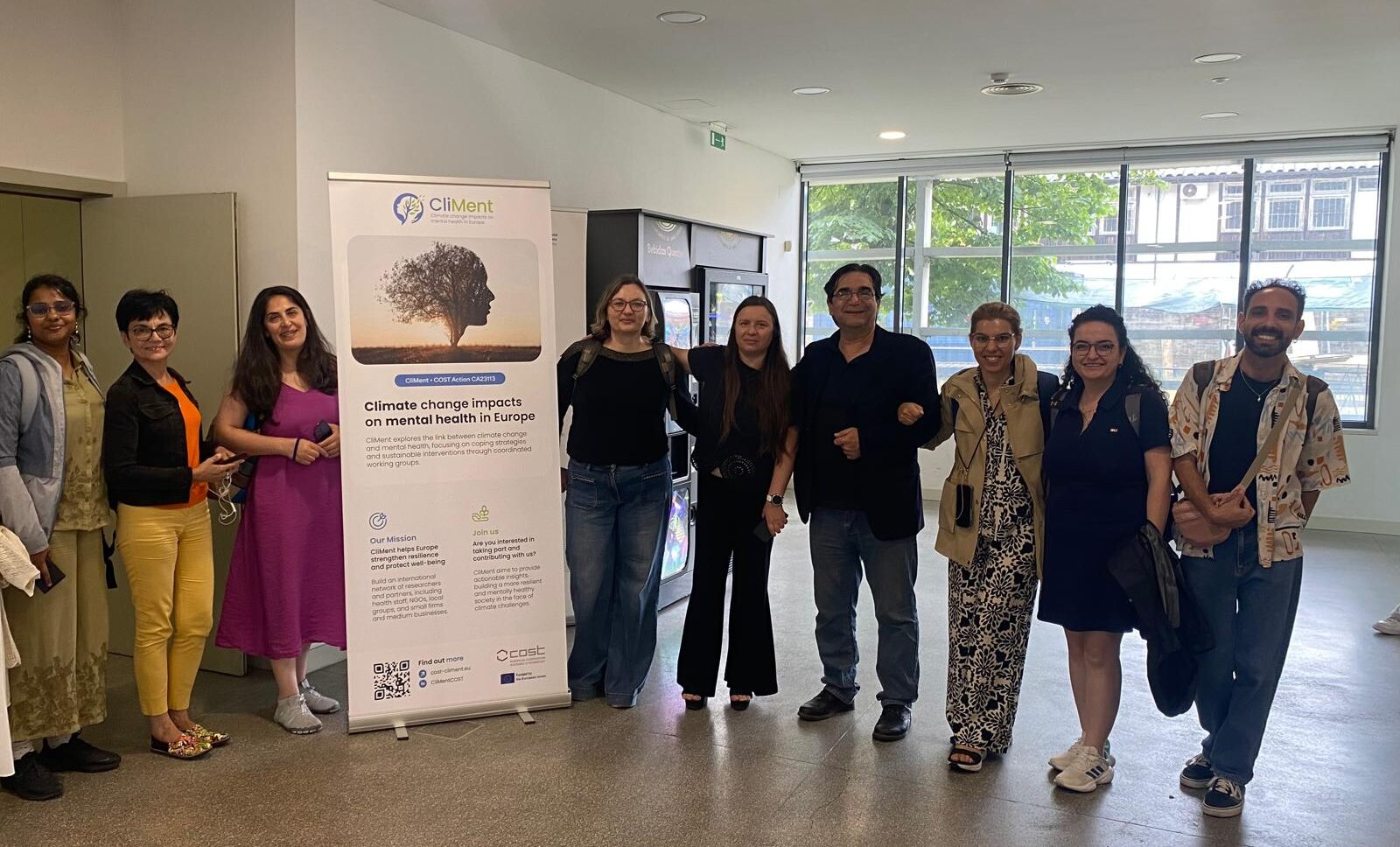
The second CliMent Training School brought together young researchers, experienced academics, and international experts in a shared effort to strengthen the bridge between qualitative research and real-world climate action. Held at Faculty of Medicine and at the Nursing School, University of Porto, the three-day programme was designed around a central idea: That understanding the climate crisis requires not only strong methodological foundations, but also the ability to translate knowledge into meaningful social and policy impact. At the heart of the Training School was the ambition to empower early-career researchers to move beyond theory and actively contribute to climate solutions. Through a carefully curated blend of lectures, interactive workshops, and working group presentations, participants explored how qualitative research can inform climate psychology, policy development, and citizen engagement. The programme also emphasised collaboration and exchange, bringing together CliMent leaders, invited external experts, and regional partners to create a dynamic and inclusive learning environment.
DAY 1 title: MASTERING QUALITATIVE RESEARCH FOR CLIMATE INSIGHTS
Focus: Building methodological skills and qualitative foundation
The first day focused on strengthening core methodological skills in qualitative research, with particular attention to research design, interview techniques, and content analysis. Participants engaged in hands-on activities aimed at developing robust qualitative approaches for addressing climate-related questions, including ethical considerations and analytical tools.
DAY 2 title: TRANSLATING RESEARCH TO POLICY AND PRACTICE
Part I Focus: People–policy axis, agency, and real-world application
The second day shifted the focus towards the translation of research into policy and practice. Working group sessions showcased ongoing research on policymakers’ perspectives, behavioural change interventions, and education for sustainable development. A keynote lecture further explored the role of qualitative research in shaping effective climate action, highlighting the importance of connecting academic insights with societal needs. The day also continued with discussions on how education systems can foster climate citizenship and green STEM approaches, encouraging participants to think critically about long-term transformation.
DAY 3 title: TRANSLATING RESEARCH TO POLICY AND PRACTICE
Part II Focus: People–policy axis, agency, and real-world application
The final day deepened this dialogue by exploring participatory approaches and emerging challenges related to climate awareness and mental health. Presentations highlighted innovative approaches to participatory data and climate registries, while expert lectures addressed the psychological dimensions of climate change, including eco-anxiety and related phenomena. The Training School concluded with reflective discussions and action planning, allowing participants to consolidate their learning and outline future collaborations within the CliMent network.
Overall, the Training School created a vibrant space for interdisciplinary exchange, critical thinking, and collaborative learning. It successfully strengthened the capacity of young researchers to engage with climate challenges in a more applied and impactful way, while fostering a strong sense of community across different working groups and institutions.
We would like to extend our sincere gratitude to all trainers, speakers, working group leaders, and participants for their valuable contributions and inspiring engagement. Special thanks go to the organizers for their excellent coordination and support, which made this event both productive and memorable.