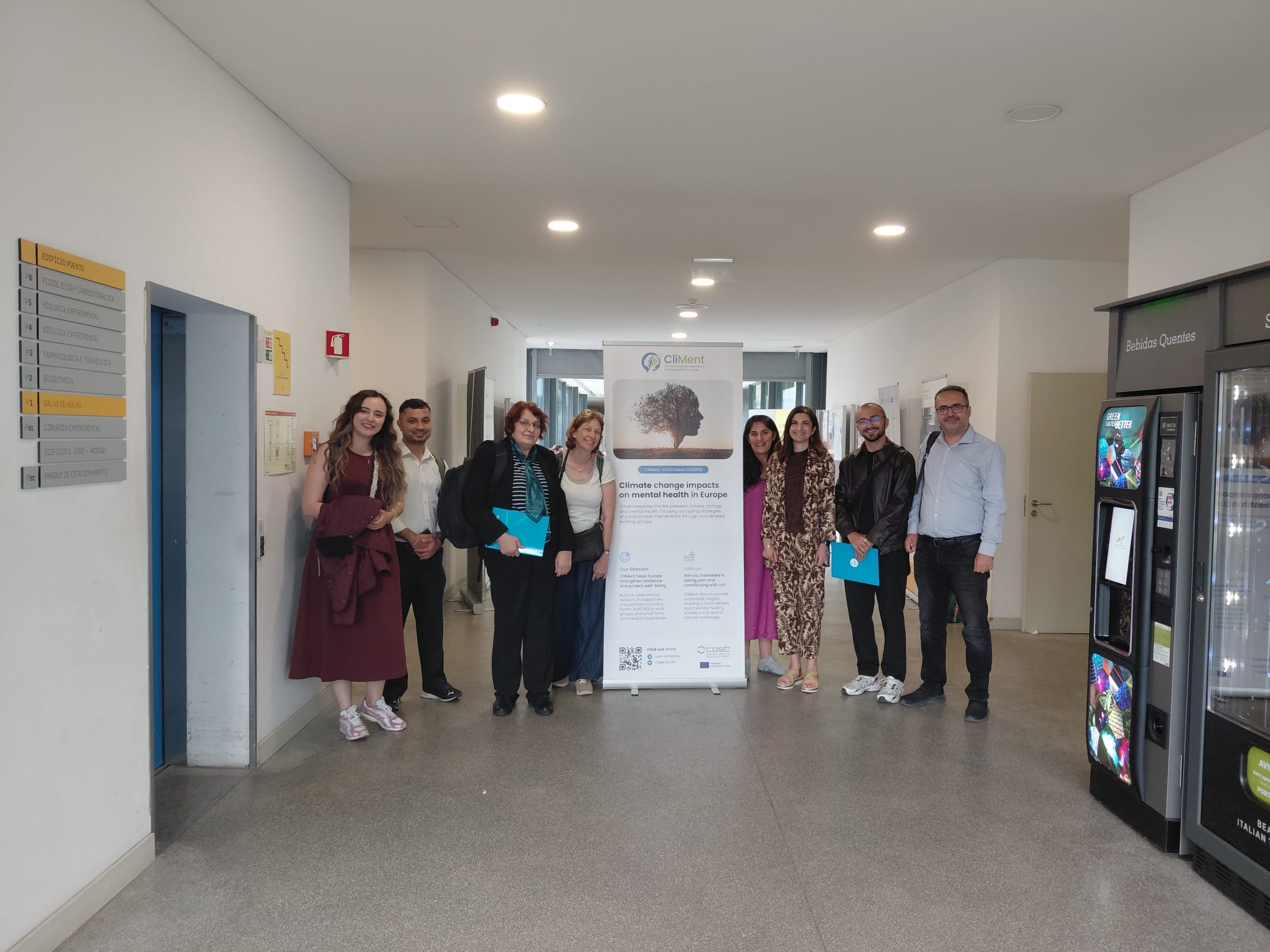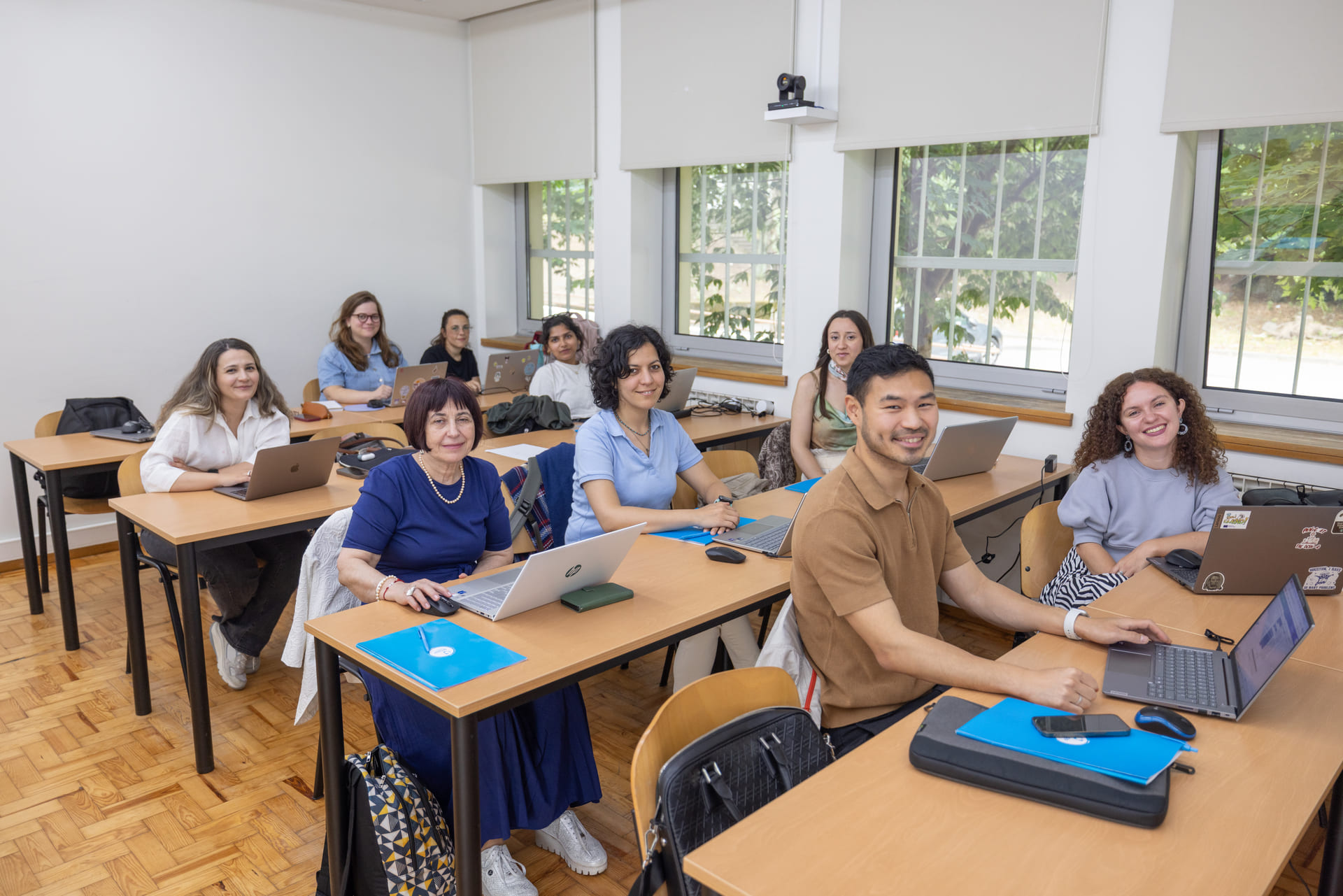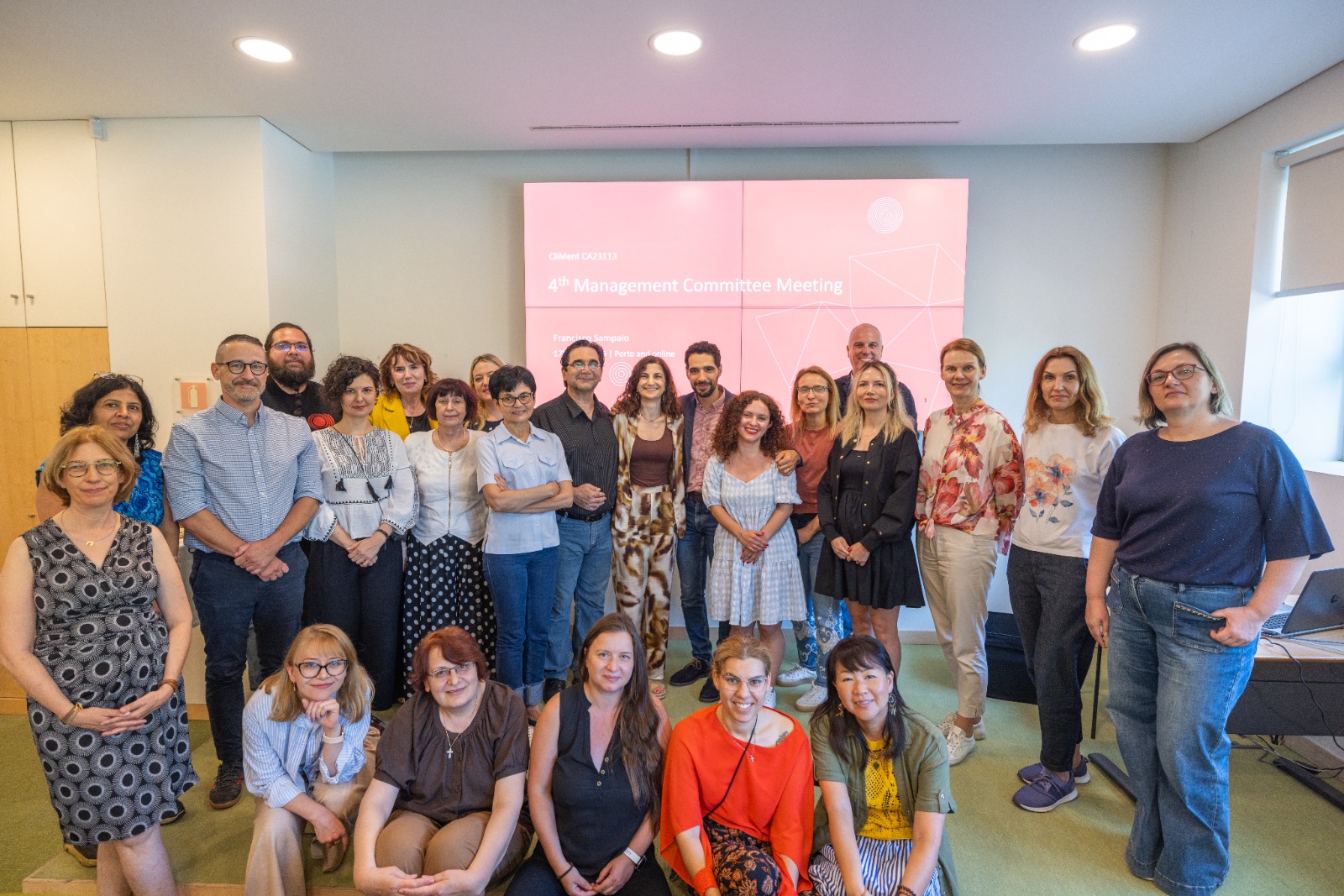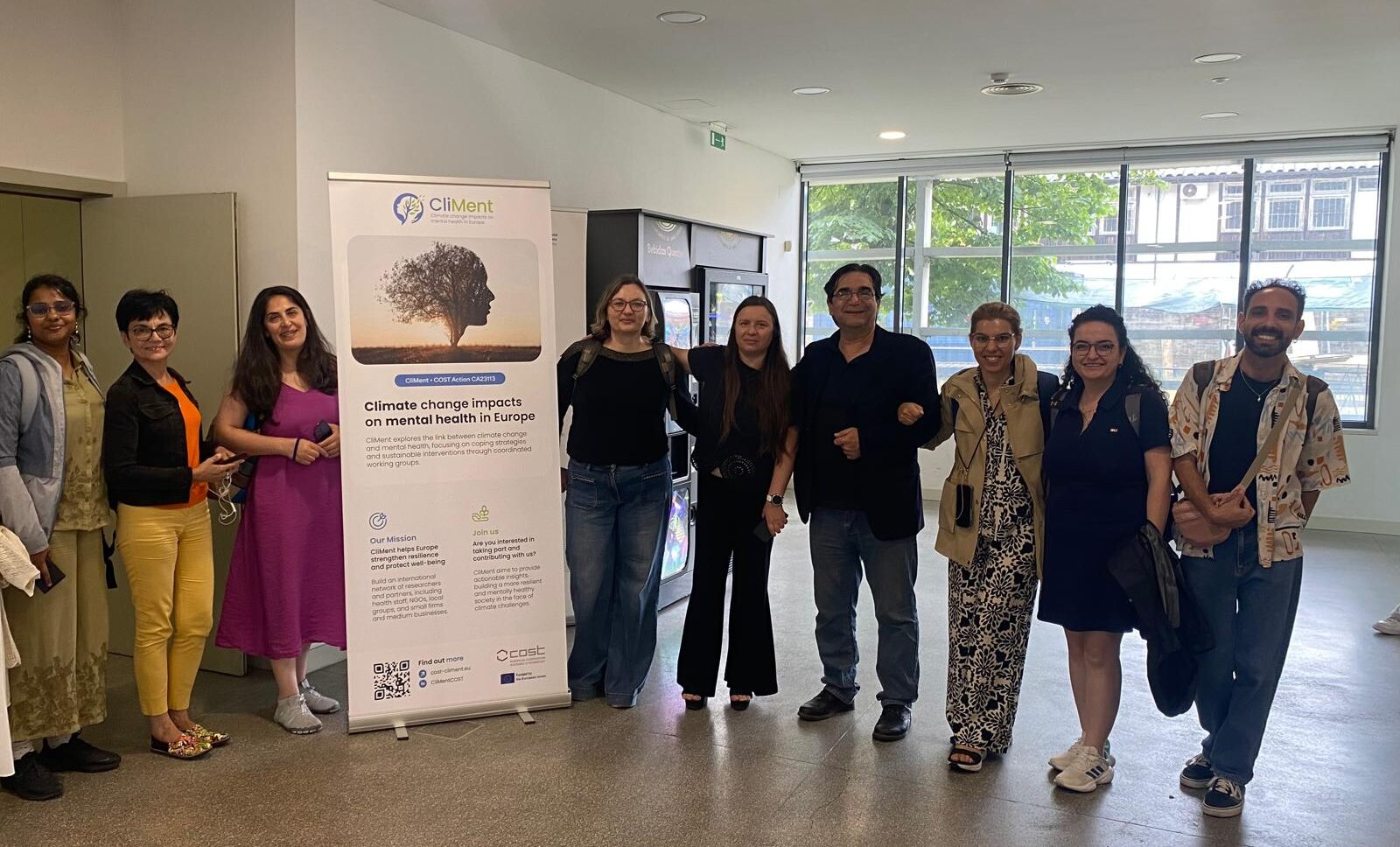
“CliMent Training: Survey Design in Climate–Mental Health Methods in Climate–Mental Health Survey Design and Quantitative Data Analysis”
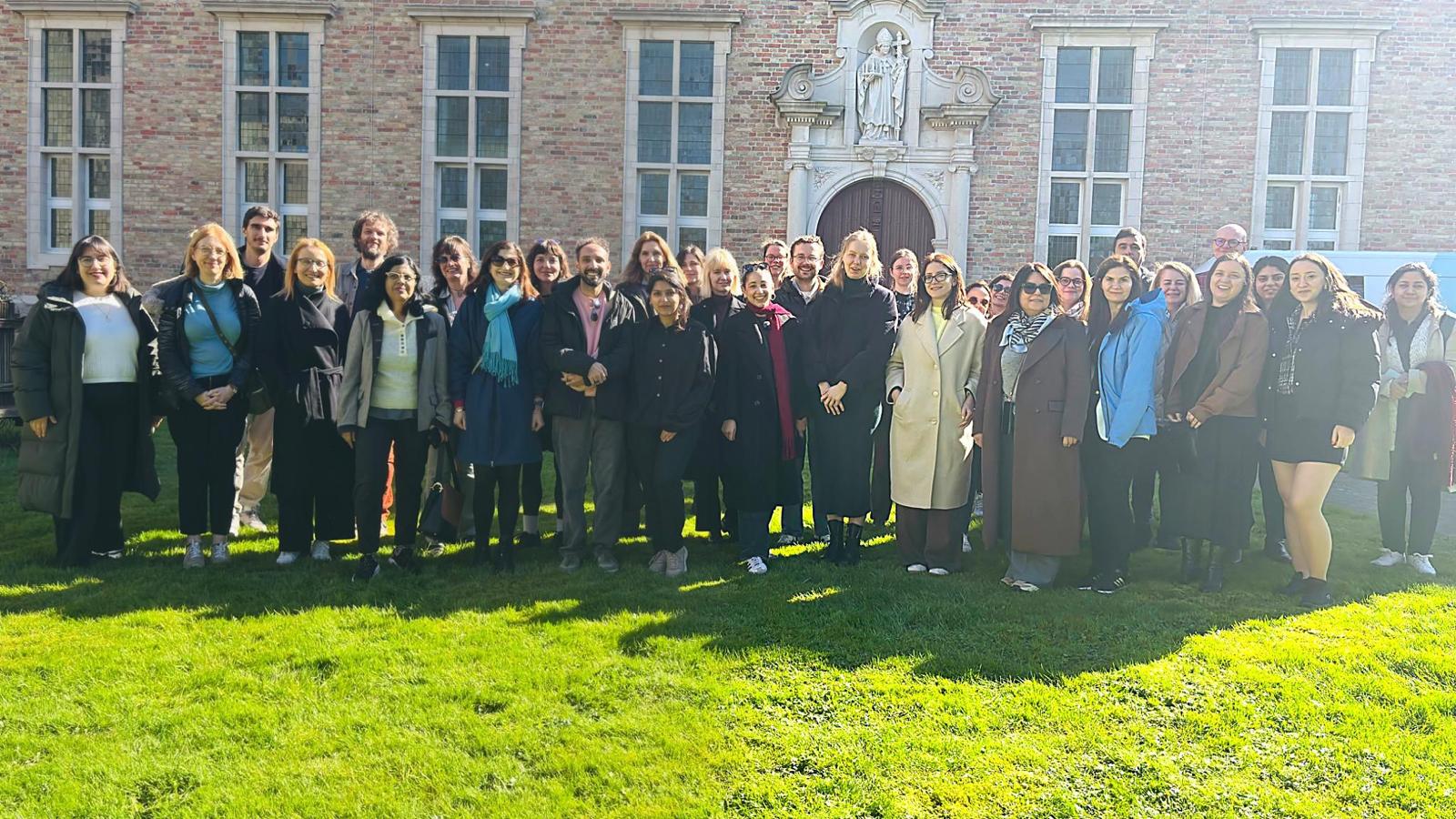
17–19 March | United Nations University Institute on Comparative Regional Integration Studies in Bruges, Belgium
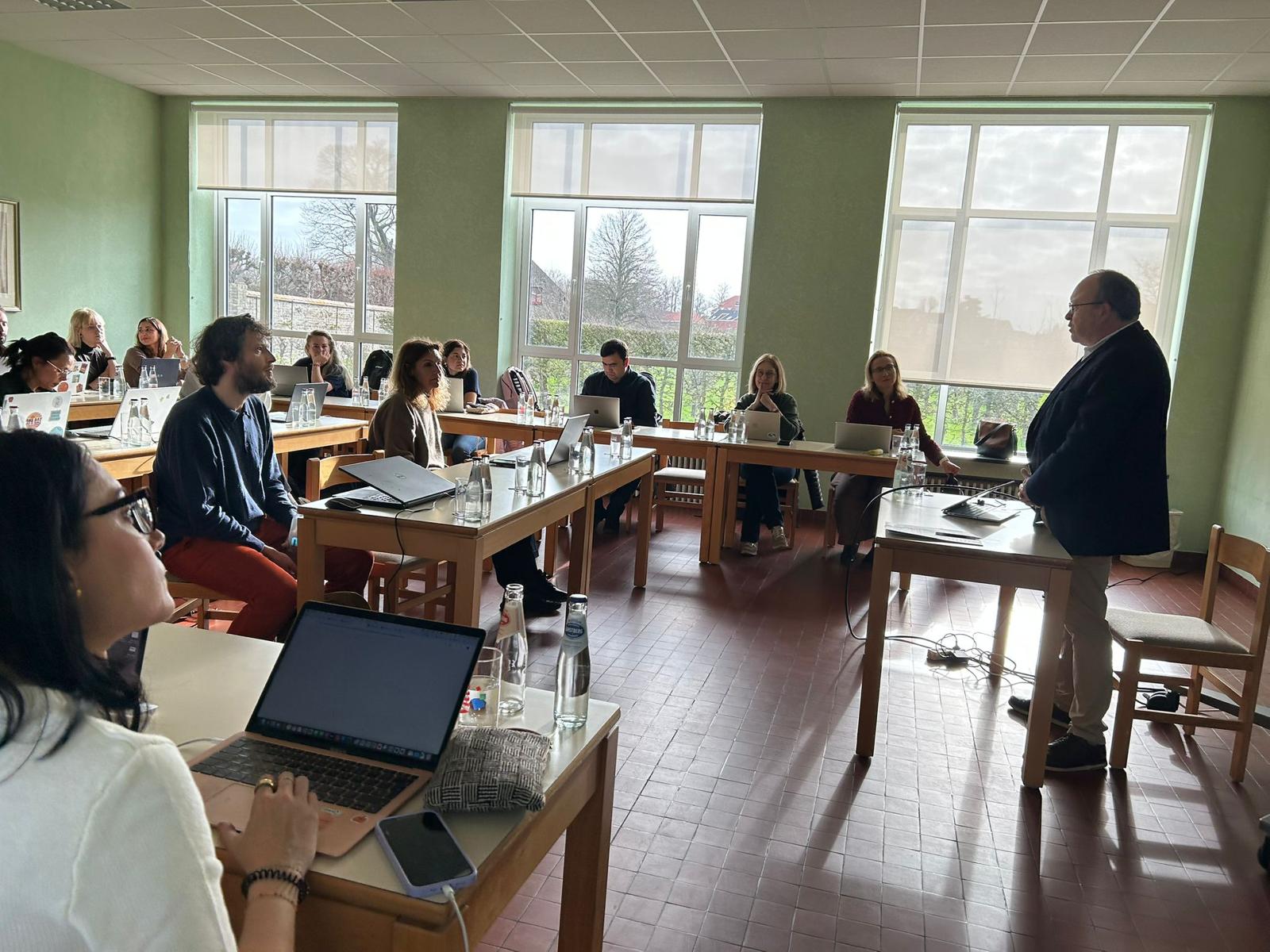
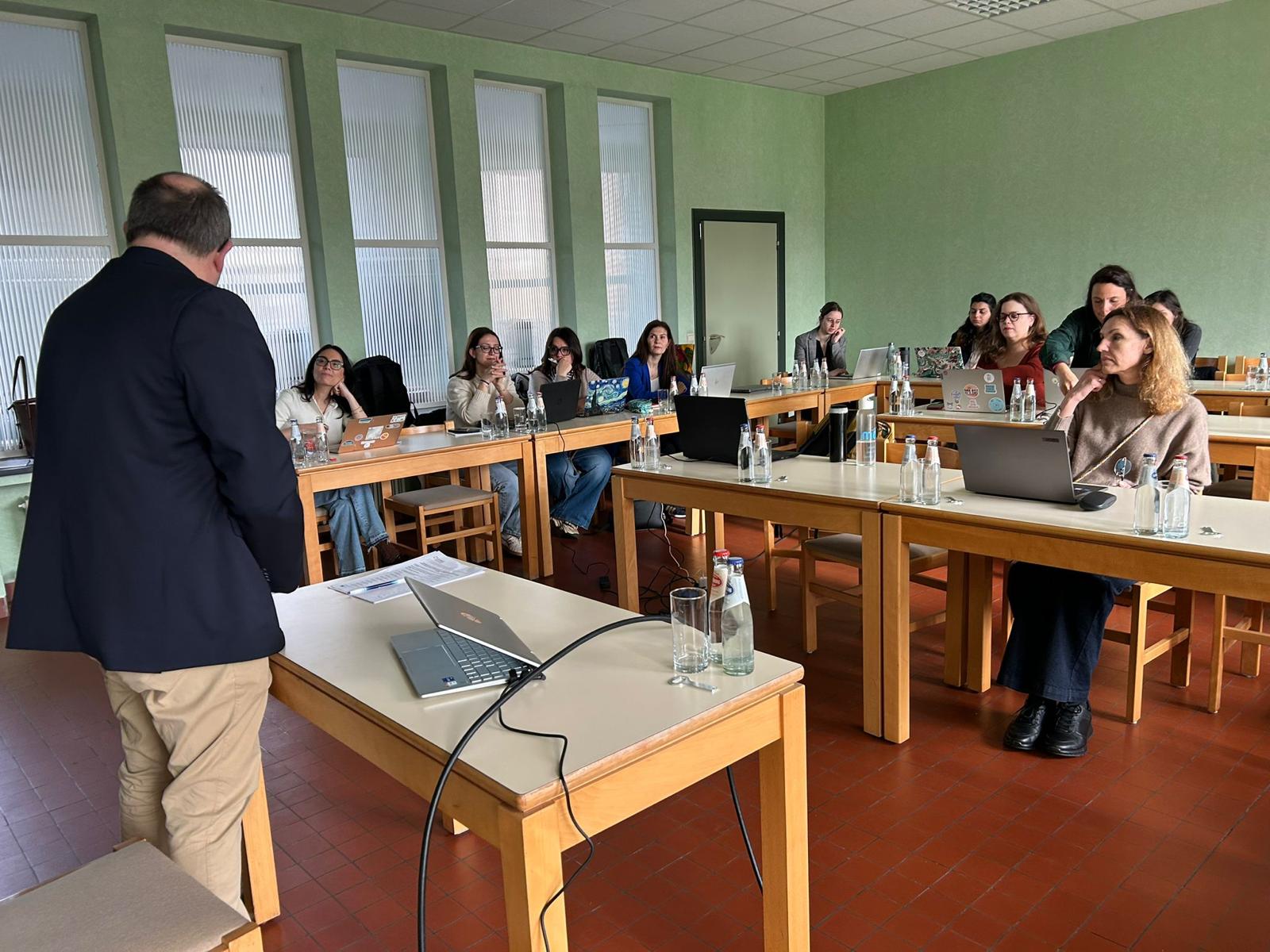
The CliMent Training School on Survey Design in Climate–Mental Health brought together researchers and practitioners in Bruges to explore advanced methodological approaches for understanding the complex relationship between climate change and mental health. Hosted at the United Nations University Institute on Comparative Regional Integration Studies (UNU CRIS), the training provided a comprehensive and interdisciplinary learning environment focused on survey design, quantitative analysis, and cross-cultural research perspectives.
Over three intensive days, participants engaged with leading experts in the field, gaining both theoretical insights and practical skills essential for high-quality research in climate–mental health studies. The programme was structured to progressively build expertise in survey methodology, from foundational concepts to advanced statistical approaches.
DAY 1
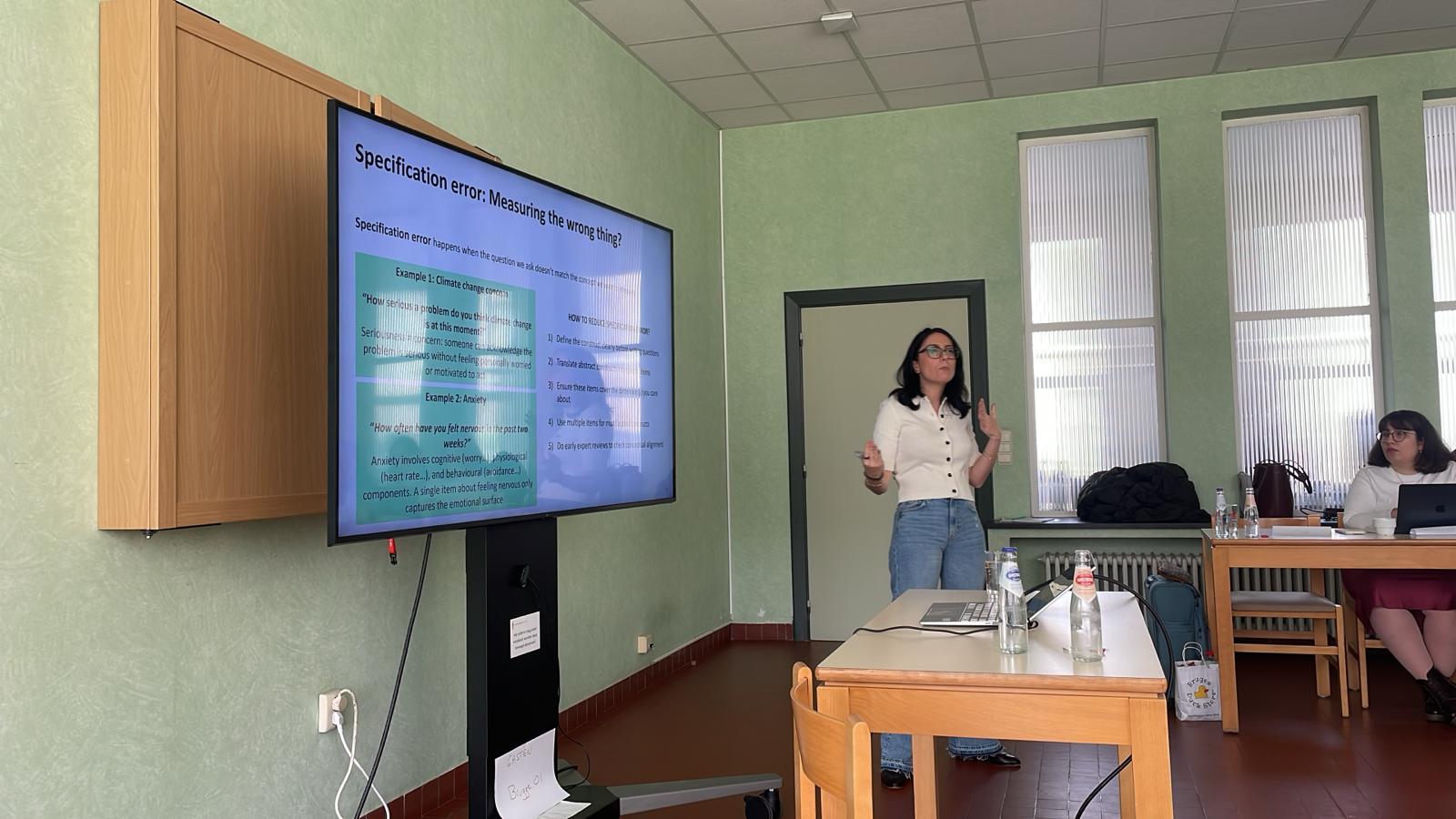
The first day opened with a welcome session, followed by a lecture on coping strategies across the lifespan, offering important psychological perspectives on how individuals respond to climate-related stressors. Participants then explored the total survey error framework, gaining a deeper understanding of how to improve the validity and reliability of survey research. The day concluded with an introduction to confirmatory factor analysis, providing essential tools for quantitative data interpretation.
DAY 2
The second day focused on hierarchical and multilevel data analysis, an essential approach for studying complex social and environmental datasets. Participants reflected on the progress of the training and engaged in discussions on methodological integration. The programme also included a guided tour of the historic hosting institution, fostering informal exchange and networking among participants. The day concluded with a continued deep dive into multilevel modelling techniques, strengthening participants’ capacity to handle complex research designs.
DAY 3
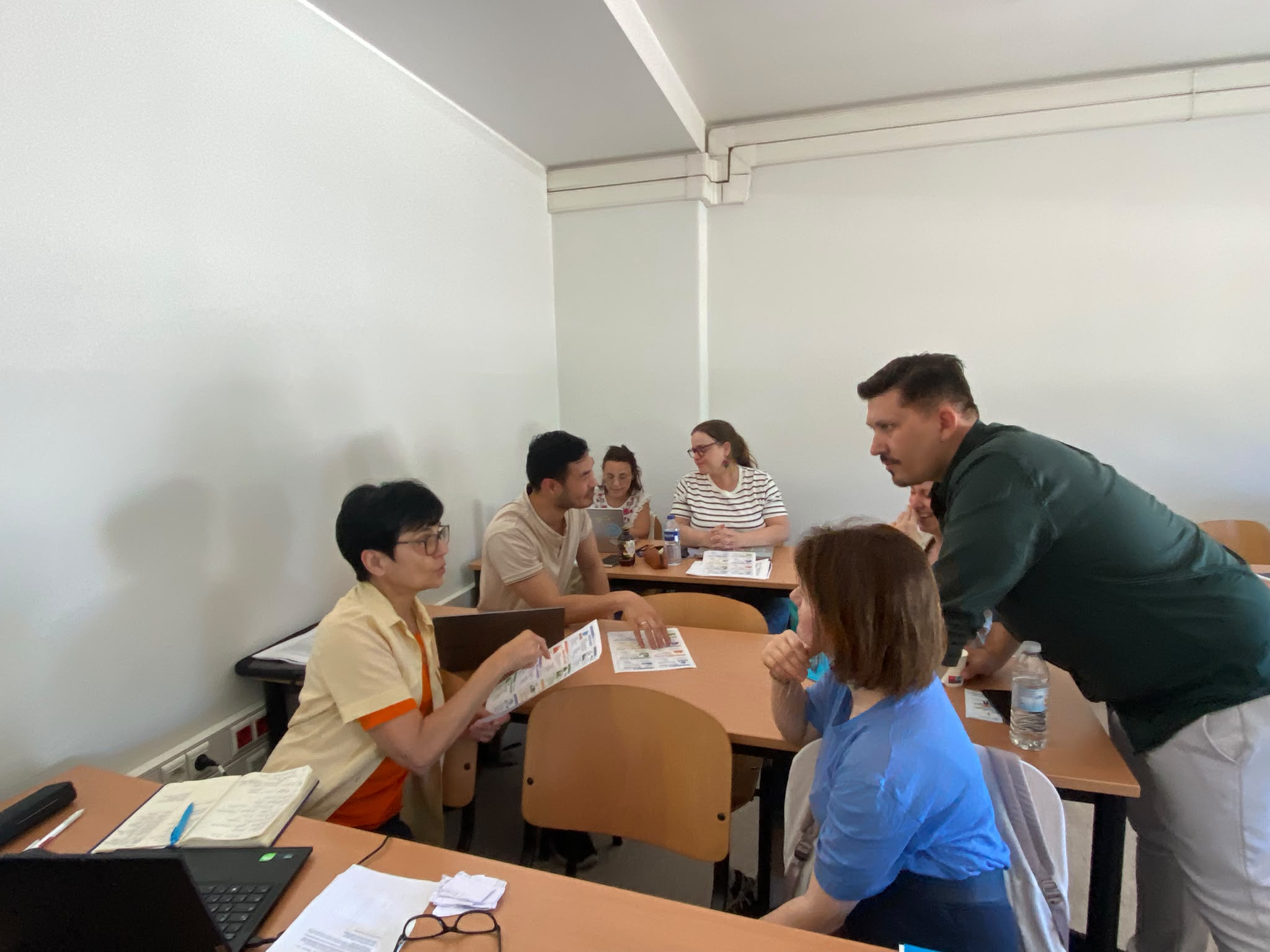
The final day addressed cross-cultural and ethical dimensions of climate–mental health research, highlighting the importance of cultural sensitivity and responsible research practices in global studies. The training concluded with a closing session dedicated to reflection, synthesis of key learnings, and future collaboration within the CliMent network. Throughout the Training School, participants benefited from the expertise of distinguished lecturers and the collaborative spirit of the CliMent community. The event successfully combined rigorous methodological training with interdisciplinary dialogue, reinforcing the importance of robust survey design in advancing climate–mental health research.
We extend our sincere gratitude to all speakers, trainers, and participants for their valuable contributions, and to the United Nations University Institute on Comparative Regional Integration Studies in Bruges for hosting and supporting this important event.